1. What causes cavities?
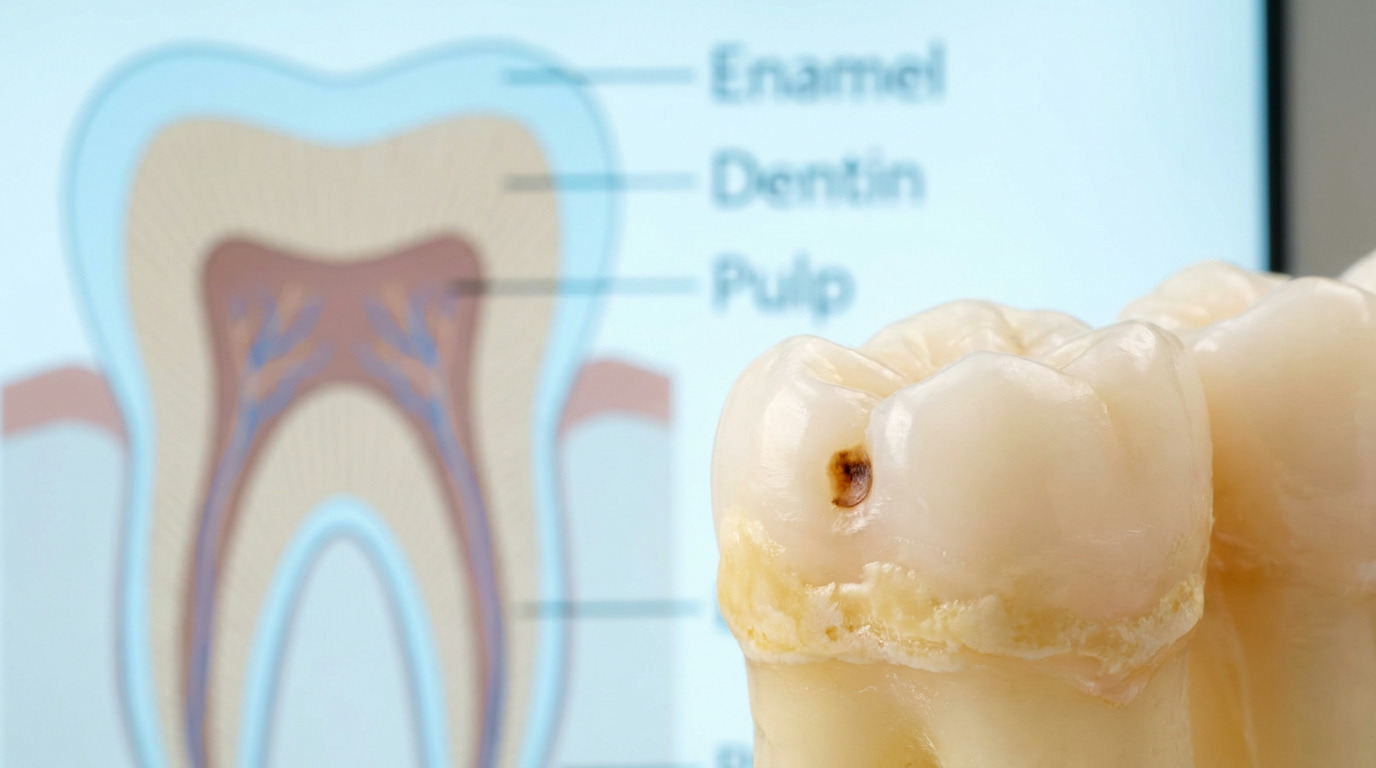
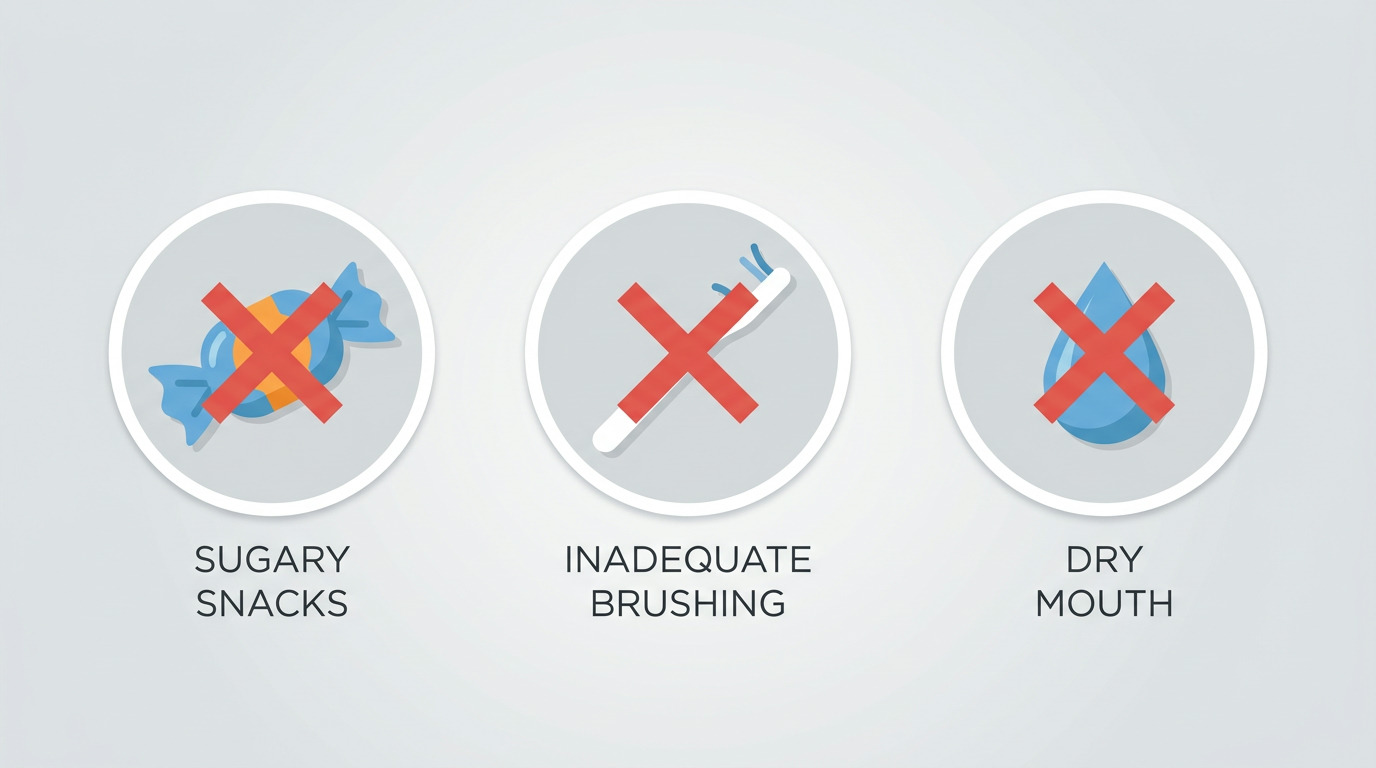
Cavities are caused by acids produced by bacteria in plaque, which break down tooth enamel over time, creating holes in the tooth.
2. How do I know if I have a cavity?
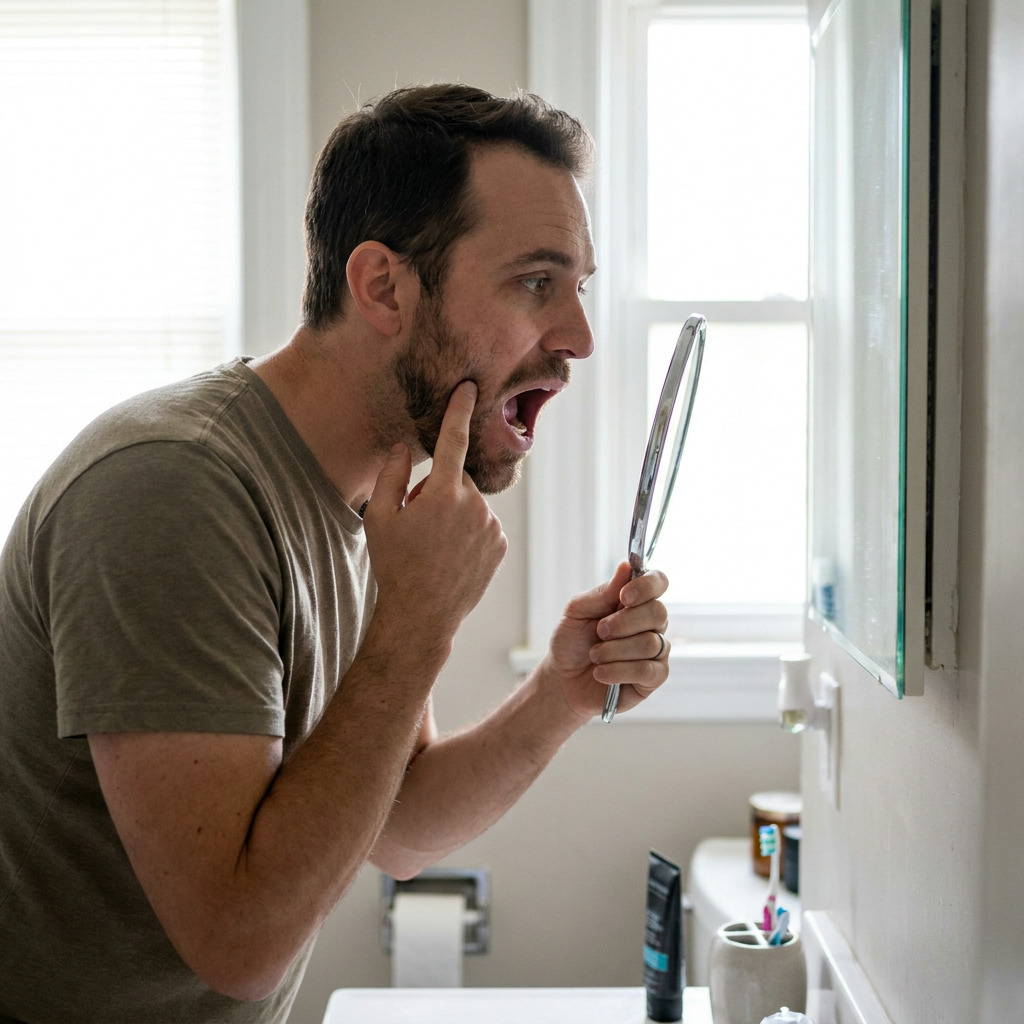
You might experience tooth sensitivity, mild pain, or see small spots on your tooth, but often, early cavities have no symptoms.
3. Can cavities heal themselves?
No, cavities do not heal on their own. Once enamel is eroded, professional dental intervention is required to restore the tooth.
4. What happens if a cavity is left untreated?
Untreated cavities can lead to severe pain, infection, tooth loss, and may require more extensive treatments like root canals or extractions.
5. Are tooth-colored fillings better than silver fillings?
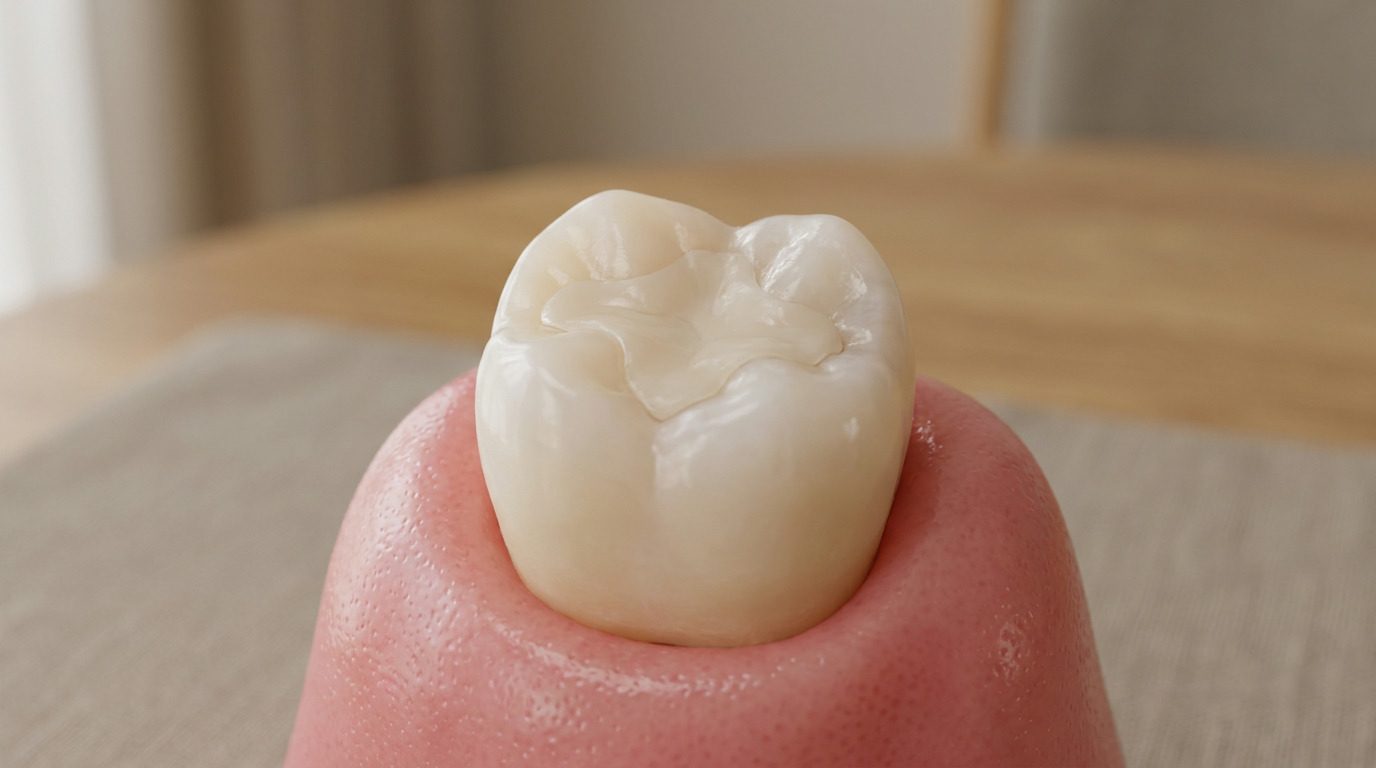
Tooth-colored fillings are aesthetically superior as they blend with natural teeth and bond directly to the tooth, requiring less removal of healthy tooth structure.
6. How often should I see a dentist for cavity prevention?
Dr. Andrew Gasior recommends visiting for routine cleanings and check-ups at least every six months to detect and address issues early.
7. Can children get cavities?
Yes, children can get cavities, often due to sugary diets and less developed oral hygiene habits. Regular check-ups are crucial for them.
8. Is fluoride important for cavity prevention?
Yes, fluoride strengthens tooth enamel, making it more resistant to acid attacks and helping to prevent cavities.
9. What role does diet play in cavity formation?
A diet high in sugars and starches feeds the bacteria that produce cavity-causing acids, significantly increasing your risk.
10. What if I feel a sharp pain in my tooth?
A sharp or persistent tooth pain warrants an immediate dental visit, as it could indicate a deep cavity or other serious oral health issue.